-
Q. How to deal with the common discomforts
Frequent Urination
It caused by the pressure on the bladder as the uterus enlarges during the pregnancy.
- Recommend urinating as soon as you feel the urge.
- Increase liquid intake during the day and try cutting back on fluids after dinner to reduce urination at night.
Constipation
Constipation during pregnancy can be caused by the iron supplementation or the enlarged uterus make the small intestine shift and suppress the rectum, which slows down the bowel movements.
- Drink enough water. About 2000cc a day.
- Get adequate exercise. Walk in the morning and evening.
- Eat fibrous vegetables, fruits, and whole grains.
- Get into the habit of having a daily bowel movement.
- Take a stool softener prescribed by a doctor if necessary. Do not take over-the-counter medication on your own.
Nausea and vomiting
In the early stage of pregnancy, the hormonal change results in nausea and vomiting. But symptoms will naturally disappear at the end of the third month for most cases, and only very few will last until delivery.
- Consume dry starchy foods, such as crackers, toast, or cereal, in the morning before you get out of bed.
- Eat small frequent meals and avoid an empty stomach.
- Try not to drink soup or water during meals, don’t lie down flat or move vigorously after eating.
- Avoid food that is oily, not easy to digest or with heavy seasonings.
- If vomiting occurs with morning sickness, rinse your mouth with water to get rid of the taste. You may drink some water to wash the gastric acid away from the esophagus to reduce the burning sensation.
Cramps, swelling on the lower limbs and varicose veins
- Keep the lower limbs warm.
- Increase intake of calcium-rich foods, such as milk, dark green vegetables, dry beans, and anchovies.
- When having cramps, try to straighten the legs. Massage your sole and push toward the calf with hands.
- Do not eat food with high sodium content.
- It is better to rest sideways on the left and elevate your legs to improve blood circulation.
Hemorrhoids
Diarrhea, constipation, and straining during bowel movements which can increase pressure on veins, or the enlarged uterus may block blood flow through veins, which contributes hemorrhoids in pregnancy.
- Develop the habit of regular bowel movement and avoid constipation. Avoid squat hard, or sitting or standing for a long time.
- Take a warm sitz bath.
- A stool softener or topical cream may help to relieve the pain, consult your health care provider when the pain is severe.
- Opt for more whole grains, fresh vegetables and fruits, water in your diet to prevent constipation.
Backache
As the baby grows, the mother's belly enlarges, to maintain balance, the mother's posture shifts, which leads to lower back pain.
- Maintain proper posture. Keep the back straight and do not slouch.
- Try not to carry anything heavy, stand, or sit for a long time or get too tired.
- Use a maternity support belt to support the belly and lighten the load on the back.
- Use a hot compress, massage for waist or back to increase blood circulation.
Heartburn
During pregnancy, the hormone progesterone causes the esophageal sphincter to relax which allows stomach acid to pass into the esophagus and results in a burning sensation.
- Take multiple meals with a small amount of food for each meal. Avoid eating too fast or too much.
- Avoid eating desserts and greasy, heavy, or fried food.
- Avoid wearing tight clothes or belts to decrease the chances of gastroesophageal reflux.
- It is appropriate to keep a semi-Fowler's position after dinner instead of lying down immediately.
- You can take antacids or antiemetic (anti-sickness) drugs under a doctor's guidance.
Tooth and Gum Disease
Tooth decay, gingivitis, gingival hyperplasia during pregnancy, the periodontal (gum) disease worsens because during pregnancy, the Estrogens in the body increase, causing swelling of the mucous membranes, which is prone to bleeding from the mouth or gums.
- Practice good oral hygiene.
- Visit your dentist regularly (teeth cleaning to remove plaque and - tartar for pregnant women) and talk to your dentist as soon as any oral health conditions occur.
- Use the soft-bristled toothbrush and brush gently.
- Include enough fresh fruit and vegetables in your diet to ensure adequate vitamin C intake to protect your gum health.
-
Q. Alcohol and Pregnancy
Regardless of the amount of alcohol consumed, it increases the risk of getting cancer, and that has confirmed by the Committee on Carcinogenicity (CoC). During pregnancy, no matter how much alcohol you drink, you are putting your health at risk. In addition to causing pregnancy bleeding and miscarriage, uterine and vaginal infections, habitual abortion, placental abruption, and stillbirth, excessive alcohol also affects the growth of the fetus in the womb.
Heavy drinking during pregnancy is associated with Fetal Alcohol Syndrome (FAS), a disorder which occurs in infants. Babies with FAS have:
- Low birth weight.
- Diminished growth.
- Poor fine motor coordination skills.
- Low IQ.
- Behavioural problems.
- An increased risk of Attention Deficit Hyperactivity Disorder (ADHD).
Your doctor or specialist should know if your child has FAS through a series of physical examinations. There is currently no medical treatment for this disease, and the management of FAS lies in special education programmes and behaviour therapy for the child.
FAS is a tragic but preventable disorder. It can be avoided if you don't consume any alcohol at all – while you're pregnant or even if you are trying to get pregnant. If you think you may have an alcohol addiction, then you may want to think about getting help.

Interestingly, women who are expecting often lose their taste for alcohol, so giving up might be easy even for regular drinkers. However, if you are still struggling to get your alcohol intake down to zero, here are some practical tips which may help you during pregnancy.
- Opt for a mocktail
- Drink juice when you are out partying
- Invite your friends to your home rather than going out
- If your other half enjoys a drink after work, ask him to switch to a non-alcoholic beverage so that you can join in as well
Reference: HealthHub
-
Q. Safe Use of Medicines before and during Pregnancy
-
-
Importance of safe use of medicines before and during pregnancy
Improper use of medicines may also lead to premature babies, underweight babies, and stillborn births, and in less desirable cases teratogenicity and birth defects. However, in patients with existing medical condition, premature withdrawal or negligence of due medical treatment may result in long-term complications on both the mother and the baby. Pregnant women should always seek medical advice prior to consume or discontinue any medications.
If you are trying to get pregnant soon, ask your doctor or pharmacist's advice before taking any medication and do not arbitrarily use drugs or take herbal or folk remedies unnecessarily.
If you have taken any medication, including prescription or over the counter drugs or dietary supplements when you are or might be pregnant or you may have gotten pregnant as no contraceptive method used, please tell your doctor or pharmacist.
-
Medicines that can be used during pregnancy
The following list of medicines appeared to have no known harmful side effects during pregnancy when taken according to instructions. Note that no drug can be considered 100% safe to use during pregnancy. Always consult a doctor or pharmacist before taking any medications, especially in the first trimester.

-
Alternative therapies for morning sickness symptoms

-
Medicines that should be avoided in pregnancy

-
Alternative therapies that should be avoided in pregnancy

-
Pregnant women are advised to seek doctors' or pharmacists' advice before starting on any supplements.
Reference: National Healthcare Group Pharmacy
-
-
Q. Pregnancy Weight Gain
Weight control for expectant mothers is very important during pregnancy. Underweight or overweight is bad for both the pregnant woman and baby. It is best to understand how to properly take in nutrients from the early stage of pregnancy and reasonably regulate the weight during pregnancy. The weight gain during pregnancy depends on the weight before pregnancy.
1. Figure Out Your BMI
Your Body Mass Index is a key indicator. You can work it out this way.
Step 1: Note your pre-pregnancy weight in kilos
Step 2: Measure your current height
Step 3: Your BMI = weight divided by height squared2. Check Your BMI Against Recommended Weight Gain

3. Need to Gain Weight? Here's How
Not gaining enough weight increases the risk of a premature birth. One common reason you may find it hard to put on the kilograms is morning sickness — see your doctor if this becomes a problem. Ideally, you should try to eat three main meals a day, plus two or three snacks in-between.
4. Need to Slow Your Weight Gain? Here's How
It's important to note that weight gain is normal in pregnancy, and you should not dive into a radical diet programme at this time. Small, healthy changes to your diet are recommended.
Watch your intake of high-fat or sugary foods with these simple tips:
- Resist the urge to snack on pastries or fried foods like goreng pisang (banana fritters) or curry puffs
- Swap rich milk and cheese for low-fat versions
- When cooking, steam or grill dishes instead of stir-frying
- We often consume more calories from drinks than we expect: steer clear of sugary tea or coffees, and reduce your intake of fruit juices
- Don't forget that a healthy diet should be supported by regular exercise, so stay active with light activities every day, like a brisk walk.

Reference: HealthHub
-
Q. Use of Makeup during Pregnancy
- Suspected pregnant woman or expectant mums should avoid dyeing or perming hair, or the use of nail polish, polish remover or other nail art products.
- Do not use makeup or skincare products with unknown origins, unclear labels, or have excessive exaggerated effect claims.
- During pregnancy, acne may occur due to the change in hormone levels. Try to simplify the make-up and skincare regimen, and use topical acne products to help treat acne. Besides, light make-up, instead of the strong one, is recommended.
- Try not to use makeup products with excessive colors, strong fragrances, or complicated ingredients during pregnancy.

- During pregnancy, it is easy to have spots on your face, and the color of any original spots will also darken. At this time, you should protect yourself from the sun using appropriate measures and supplement them with sunblock. Also, you can use normal whitening skincare products in moderation. However, a three-in-one spot removing cream (retinol + hydroquinone + steroid) is not suitable for use during pregnancy.
- During pregnancy, the skin gets dry and itchy easily, and rashes may occur. Besides wearing breathable loose clothes, staying in cool places, and applying only mild shower products, you should also go to a dermatologist as soon as possible if conditions are severe, and take proper medication according to the doctors' prescription.
- Women can use products that contain alpha-hydroxy acid and salicylic acid during pregnancy. However, chemical peels with high concentrations do not recommend.
- During pregnancy, it suggests avoiding performing any non-urgent aesthetic treatment (laser, intense pulse light, radio-frequency resurfacing or photo facial), or plastic surgery (including micro-plastic surgery) as they may expose you to unnecessary risks.
- Mothers with keloid should discuss their conditions with doctors before giving birth so that the doctors may choose an appropriate approach to avoid visible scars.
- Suspected pregnant woman or expectant mums should avoid dyeing or perming hair, or the use of nail polish, polish remover or other nail art products.
-
Q. How to Prevent Stretch Marks
Stretch marks have a lot to do with genetics and physique. Your uterus expands when the fetus grows along the pregnancy journey. Your abdominal circumference is getting bigger too. When the skin pulled tight, the connective tissue, like collagen and elastic fiber, will be stretched to beyond its elasticity limit. Another possible reason is the increased level of epinephrine and steroid during pregnancy may weaken the expansion ability of the connective tissue. Stretch marks are more likely to develop in multiple-pregnancy than single-pregnancy. They often develop in areas like belly, breasts, buttocks, and thighs. Often starts as reddish wavy stripes, but after pregnancy, the marks gradually fade to white or grey lines. Unfortunately, once the stretch marks has developed, there is almost no way to get rid of them.
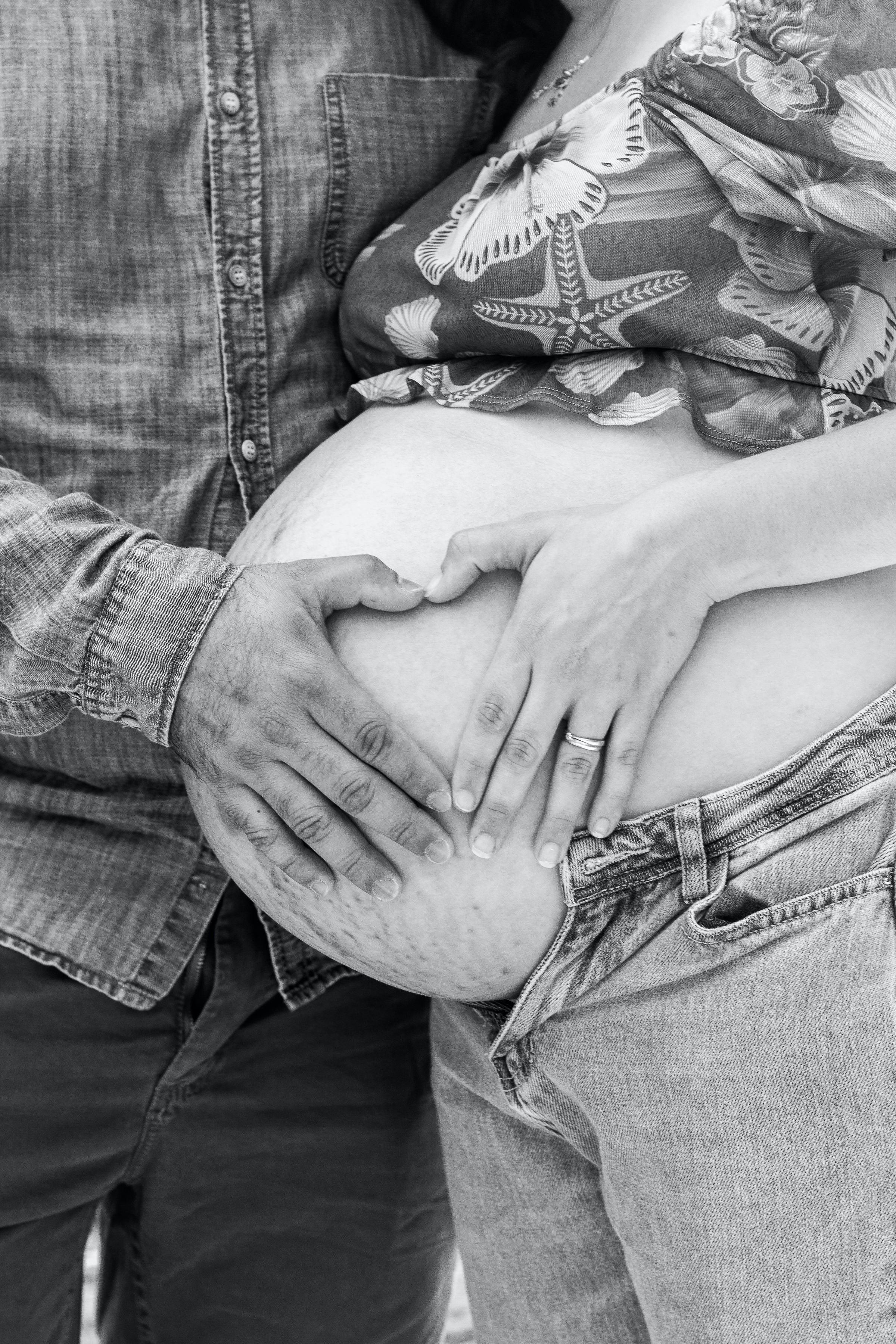
Therefore, it is recommended to start with prevention by managing weight gain during pregnancy. Keep the weight gain within the normal range by gaining no more than 2kg per month. The total weight gain should be around 11-14kg throughout the pregnancy. At the beginning of pregnancy, you can apply the maternity moisturizer and massage gently on tights, belly, and chests twice daily, morning and night. It helps to reduce skin tension and increase the elasticity of epidermis and dermis. It also helps reduce the opportunity of stretch marks development by stretching the skin further. Besides, applying lotion and massage helps to moisturize the skin depending on the skin condition, and carry out the touch stimulation and fetal education at the same time.
-
Q. What To Prepare for Your Newborn Baby
One of the most exciting things for expectant parents is getting ready the stuff – either second-hand or new – for your baby when he arrives.
You do not need to prepare a lot of things. It is most important to provide a safe place with a firm mattress that is not too far away from you for your baby to sleep.
Items You May Wish To Prepare
Below is a list to check off some of the other items you may wish to prepare before the baby's arrival:
- Towels. Handkerchiefs, bath and face towels for the baby.
- Wash basin. For bathing the baby.
- Toiletries. Baby wash, nappy wipes, nappy rash cream.
- Nappies. Cloth diapers are washable and cheaper over the long term. Some come with Velcro fasteners or you can use nappy pins. If you are using disposable diapers, buy just a few packs in “newborn” size; your baby may outgrow this size quickly.
- A changing pad. More practical than buying a changing table as a pad is light and portable and allows you to change your baby's diapers anywhere you want.
- Baby clothes. Buy just enough to last him through each growth spurt. You may consider choosing one-piece body suits (or onesies) with an opening so that you can change diapers easily without having to undress your baby. Also prepare enough socks, booties and mittens.
- Small table lamp or night light. Very useful during night feeds.
- Baby cot. The cot should be sturdy with smooth moving parts so that fingers or clothing would not get trapped. If you are recycling a borrowed or old cot, make sure you get a new firm mattress.
Tips on selecting a baby cot:

- The mattress and bedding should fit snugly in the cot to prevent the baby from getting tangled in the excess material.
- The base should be adjustable so that you do not have to bend too far down to carry your baby during the early months.
- As your baby grows, you should be able to lower the base so he cannot climb out of bed. One or both of the side rails should also be adjustable.
- Side rails should be protected with a plastic covering. When the baby starts teething, he may chew on the side rails.
- The distance between the slats should not be more than the width of a soda can so as to prevent the baby’s head from getting stuck in between.
- There should be lockable castor rollers so that you can move the cot around.
- Cupboard and/or chest of drawers. Storage space for his clothes and toys.
- Baby carrier. Baby carrier, also known as a sling, lets you carry your baby in front to keep him warm and close to you. This will allow you to manage your baby hands-free if you are out and about without a pram. Get one that has good support for his head and his back.
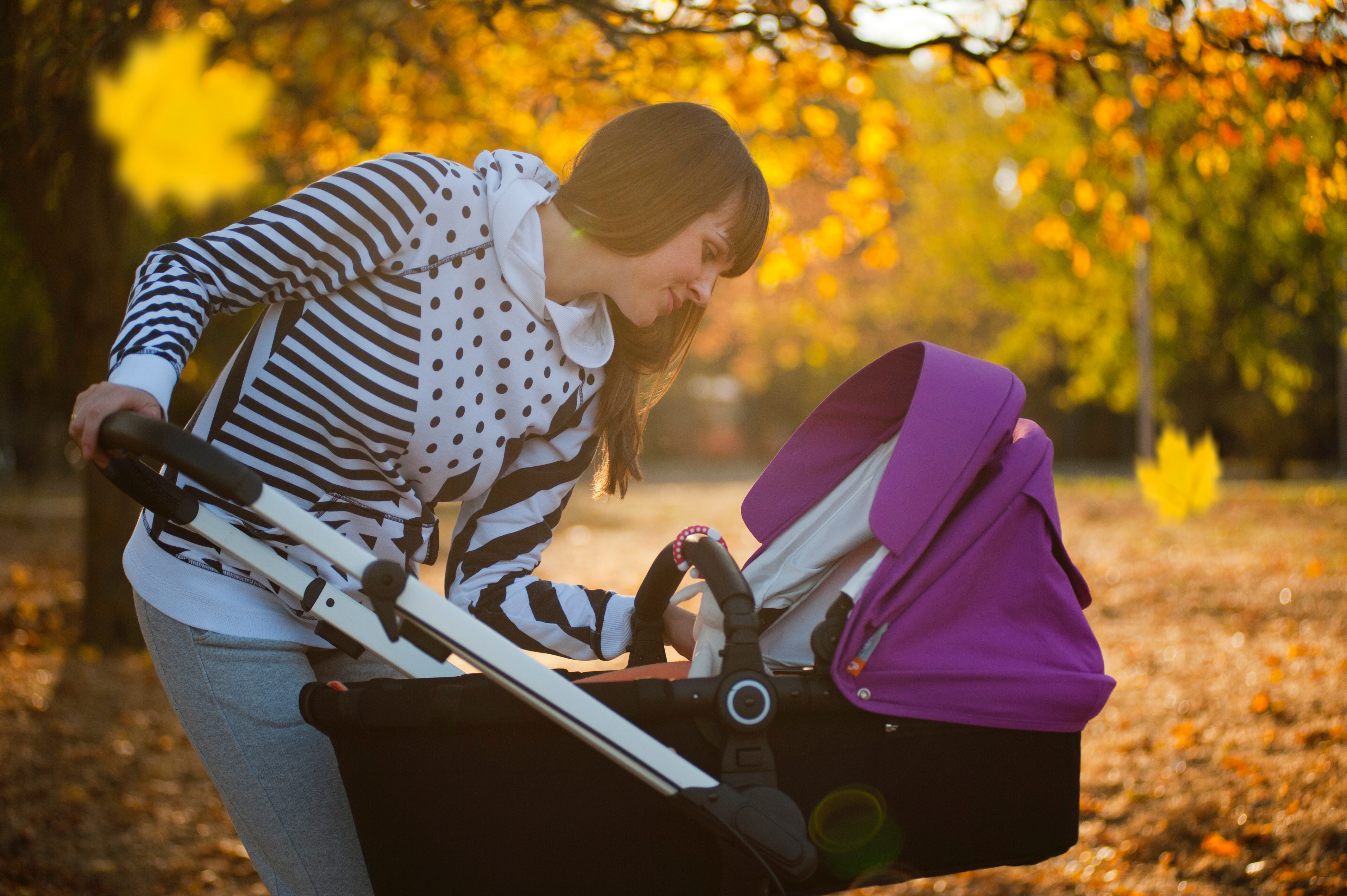
- Stroller. Young babies need fully reclining seats. Check the adjustable sleeping positions that allow this.
Tips on selecting a stroller:
-
- Look out for strollers with multiple functions. Some can convert from a pram (with the baby facing the mummy) to strollers. Others can transform from a pram to a bassinet and to a stroller. Some also come with a carry-cot fixed onto the pram, which can later be removed and converted into a stroller when the baby outgrows it. Always ensure that the parts are well anchored and not loose.
- Make sure the brakes are working well.
- If you take public transport, consider the weight and ease of opening/closing. Mothers who usually travel alone with their baby may prefer a stroller with one-hand easy-fold mechanism. If you drive, make sure that the stroller can fit into your boot when it is folded up.
- Look out for strollers with multiple functions. Some can convert from a pram (with the baby facing the mummy) to strollers. Others can transform from a pram to a bassinet and to a stroller. Some also come with a carry-cot fixed onto the pram, which can later be removed and converted into a stroller when the baby outgrows it. Always ensure that the parts are well anchored and not loose.
- Car seat. It is regulated by law to use a car seat when travelling. Prepare a car seat for your newborn as he will need to travel in one, right from the first ride home from the hospital. Newborn babies should use a rear-facing infant car seat (baby faces the back of the vehicle) which is well-padded. Make sure the car seat is properly installed. If your front passenger seat is fixed with an air bag, do not use a rear-facing baby seat there. Put it in the back seat instead.
Reference: HealthHub
- Towels. Handkerchiefs, bath and face towels for the baby.
-
Q. What Do You Need to Pack Before Going to the Hospital?
A common question, especially for first time parents, is “What do I need to pack for the hospital?”
Do not be daunted by the huge size of this suggested list — you do not have to bring all the things that are listed here.
The idea here is to have a comprehensive list that you can pick and choose from. This enables you to customise your own list of the things so that you can feel comfortable at the end of the day.
Here are some suggestions:
1. For MomToiletries:
-
Lotion
-
Toothbrush and toothpaste
-
Hairbrush/comb
-
Shampoo/soap
-
Towel/facecloth
Clothing (You will be wearing a hospital gown during your delivery)
-
Two loose-fit nighties — preferably the breastfeeding kind (if you are not keen to use the hospital gown which are made for breastfeeding)
-
A pair of slippers
-
A few underwear items
-
Socks
-
Nursing bra
-
Clothing to wear upon discharge from the hospital
Birth plan:
- if you do have one
2. For Your Partner:
-
Some reading material when your spouse is sleeping or resting
-
Toiletries
-
Change of clothes
-
Sweater
3. For Baby:
-
One baby outfit upon discharge
-
Receiving blanket
-
One pair of socks or booties
-
One pair of mittens
-
Cap

After Delivery:
-
Name list of people to call once baby arrives. You will inevitably forget to call someone.
-
Digital camera/camcorder — to capture all those precious moments.
Do Not Bring:
-
Valuables
-
Jewelry
-
Laptop computer
What documents should I bring along?
In addition to the above-mentioned items, you should bring along your outpatient appointment booklet, identity cards of both mum and dad, marriage certificate and admission form.
Reference: HealthHub
-
-
Q. Preparing for Childbirth
Pregnancy and childbirth are parts of the natural biological process. Uterine contractions will cause pain or back ache. The contractions make the uterus soft and expand. Therefore, they are also a normal biological change, which signals the baby is about to leave the uterus and will arrive in the outside world soon. The pain brings discomfort and may cause fear to those who are not familiar with the contractions. The contraction is an indicator of vaginal delivery. It causes the cervix to thin and dilate and helps the baby to descend into the birth canal. Don't panic over the labour pains as they are part of the labouring process, and there are many ways to help you manage the pain. Keep your mind relaxed by staying calm and thinking positively. Let your body guide you through the labouring process so that your muscles will relax and have a smooth delivery.
The cervix dilates gradually, and the baby turns gradually out of the uterus. The length of the labor process depends on the number of births the mother has given, the time separation from the previous birth, the emotional condition, the fetal position, the size and shape of the pelvis, and uterine contractions. Therefore, labour may take a while. Typically, it takes 12 to 18 hours of labour for the first child and approximately 8 to 10 hours for the second one. Patience is required. In recent years, expectant mothers have better nutrition status, they tend to exercise less often and their babies are relatively large, delivery may be prolonged, which will require the expectant parents to be more patient. The expectant parents should start receiving prenatal education a few months before the due date to understand the changes during labour, ways of relieving pain naturally, and the different types of pain relievers. It won’t be as effective to learn about pain management techniques after the contraction starts.
The following are the basic ways of relieving pains and discomfort during labour.
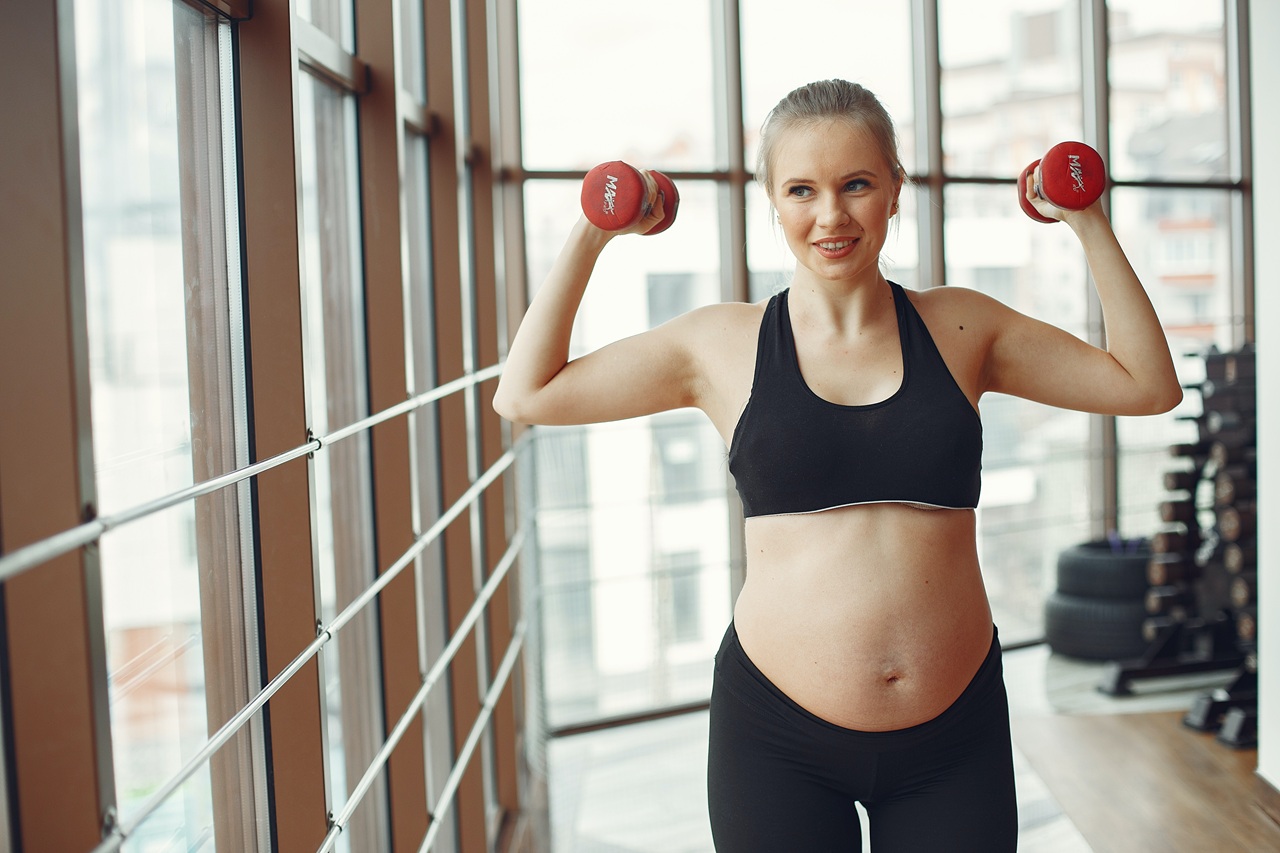
- Maintaining a healthy body and mind: keep nutrition in balance, stay fit and happy.
- Face the fear before childbirth: Understand your fear and get to know the information related to childbirth. Learn to deal with fear surrounding childbirth and to prepare yourself mentally in a more positive way.
- Be fully prepared before labour: Fully understand the pre-delivery and labour process. Expectant mothers should learn various techniques to help yourself relax, prepare your favourite music, and make the right decisions that will put you at ease. You should also choose and communicate with your companion during labour that meets your expectations and with the companion learn the proper ways to massage and touch your body.
- Responses during labour: Expectant mothers should believe that you are capable of giving birth and accept that it takes a while to go through the process. Try to relax your body and let the contractions start naturally. You may use various approaches to ease the pain and move freely before going into labour or choose positions that make yourself feel comfortable. You should have consistent supporter or companionship. During the second part of the labour process, you should not lie flat, but feel your body and push voluntarily.
-
Q. Signs of Labour
Within a few weeks of the expected date of delivery, the baby's head would lower toward the pelvis that drops the pressure on your stomach and diaphragm. You will feel more relaxed, have better appetite and breathe smoothly.
Virginal discharge or losing your mucus plug
Your cervix begins to dilate as you get close to labor, a small amount of blood or blood-tinged mucus is released from your cervix and makes its way out of your body through vaginal. If you're bleeding heavily or seeing signs of blood long before your due date, do check in with your doctor right away.

Contractions and back pain
If caused by uterus contractions, you will feel:
- The initial contractions are irregular, and gradually become regular, and the pain prolongs as time goes on.
- You will feel strong cramping in your abdomen, groin and back, especially in your tailbone.
The uterus hardens during contraction and softens when the contraction stops. - The pain does not subside with a massage or walking.
Your water breaks (a large amount of fluid starts to flow out of the vaginal area)
During pregnancy, your fetus is protected by a fluid filled membranous sac called the amniotic sac. At the beginning of or during labour, your membranes will rupture. Regardless of whether there are regular contractions or not, try not to walk around and go to a hospital as soon as possible.
Other signs to take note of:
- Persistent or severe headache
- Persistent or severe abdominal pain
- Persistent or severe nausea and vomiting
- Flu-like symptoms (feeling feverish/chills)
- Blurred vision
- Swelling in face and hands
- Low urine output or a burning sensation during urination
- Baby's activity level significantly declines by half or completely stopped vs. normal circumstances
See your doctor right away if you have any of these symptoms during your pregnancy.