Karihome Makes Parenting Easier
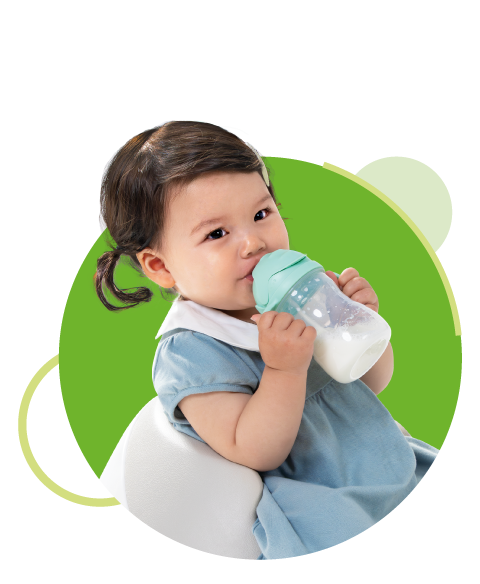

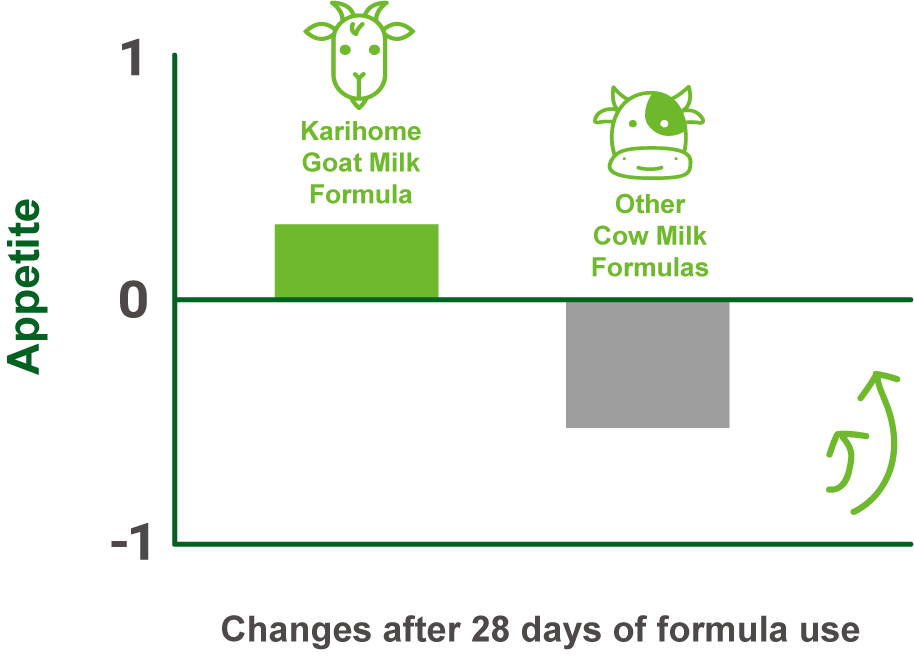
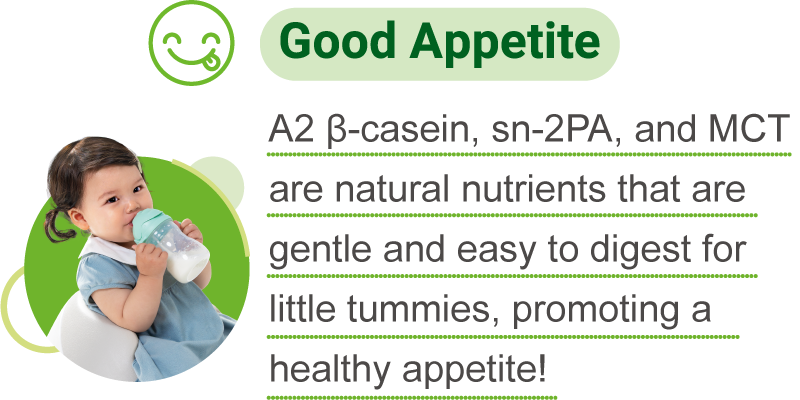
A2 β-casein, sn-2PA, and MCT are natural nutrients that are gentle and easy to digest for little tummies, promoting a healthy appetite!

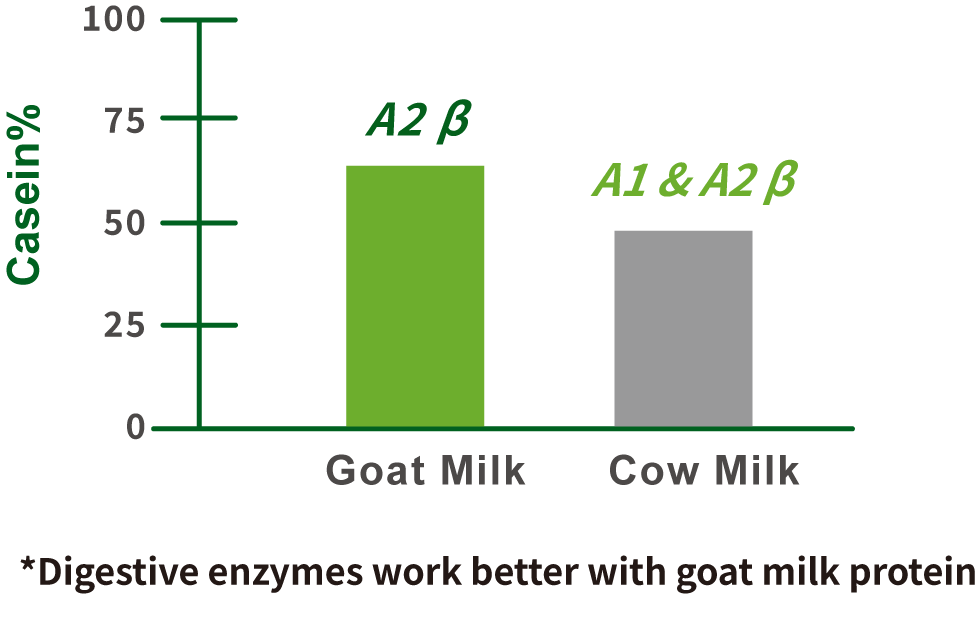
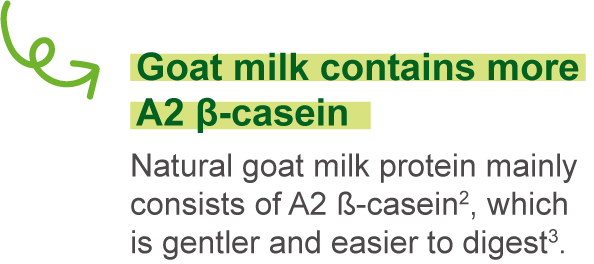
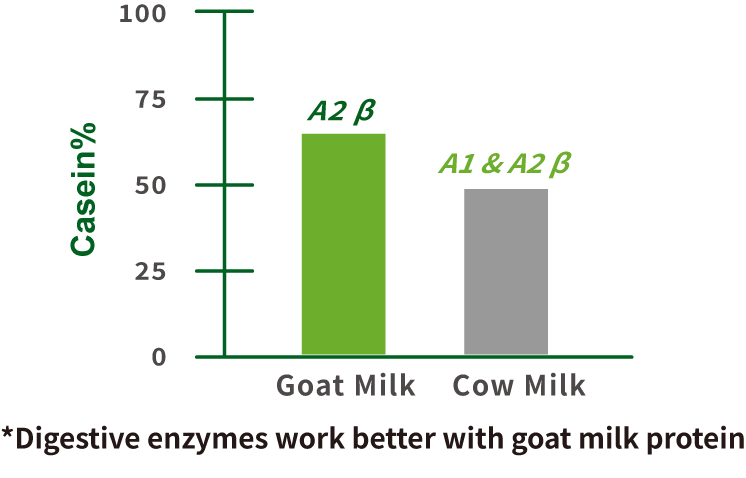
Natural goat milk protein mainly consists of A2 ß-casein2, which is gentler and easier to digest3.



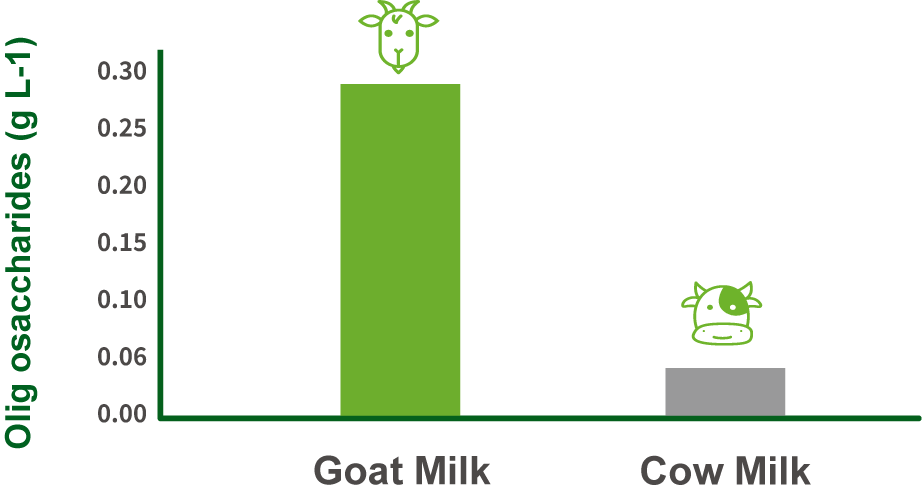
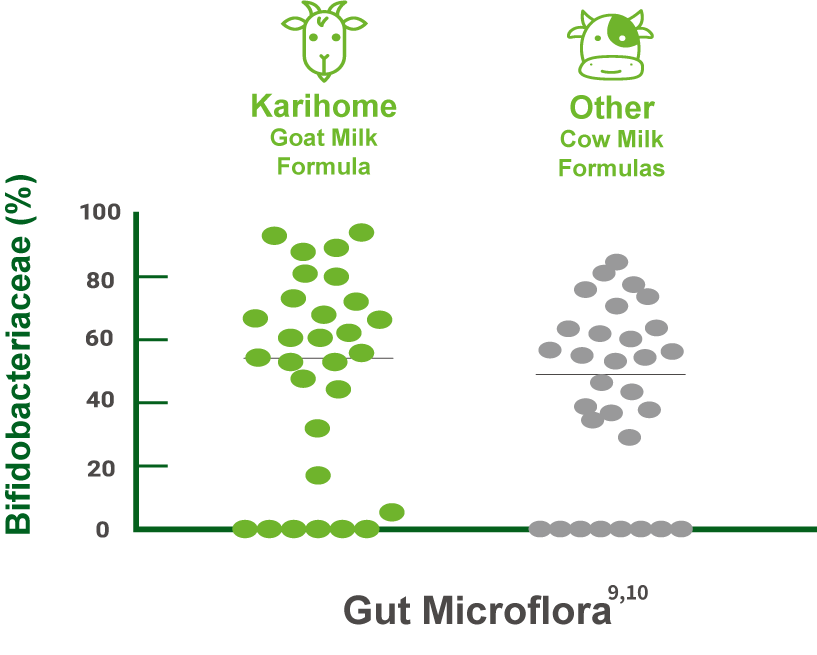
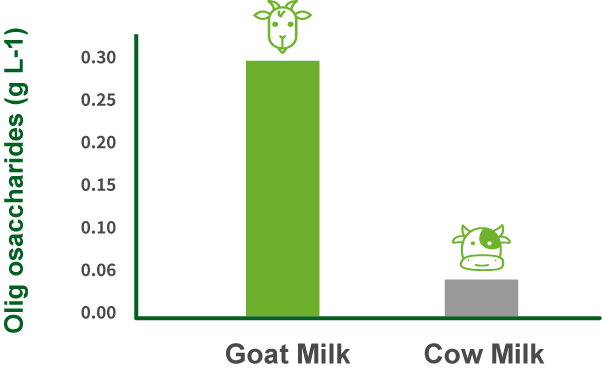
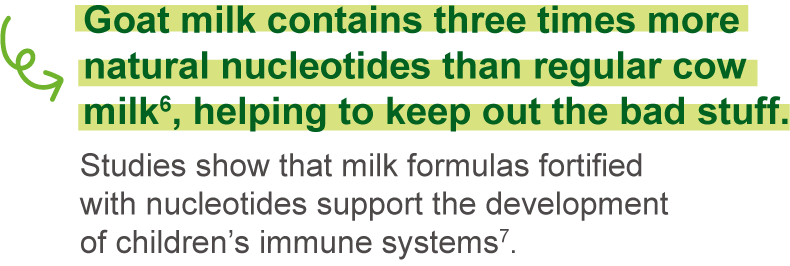
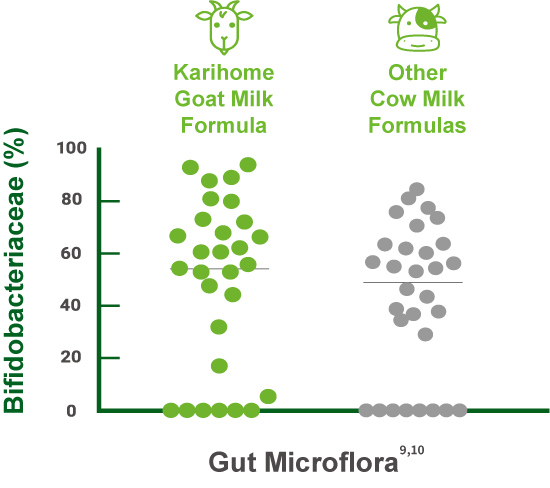
Goat milk is naturally rich in nutrients like oligosaccharides and contains three times more nucleotides than cow milk, which help support immunity. Studies show that children fed goat milk formula tend to have healthier guts, supporting their natural defenses.


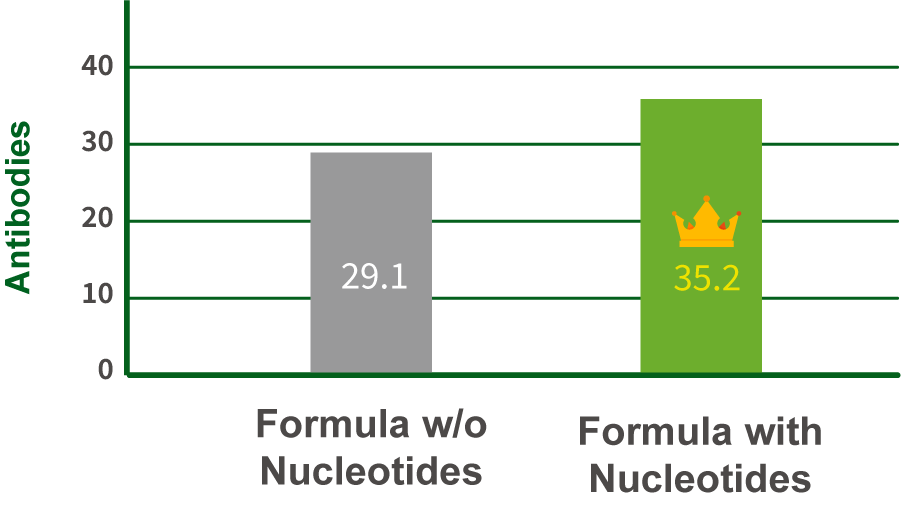
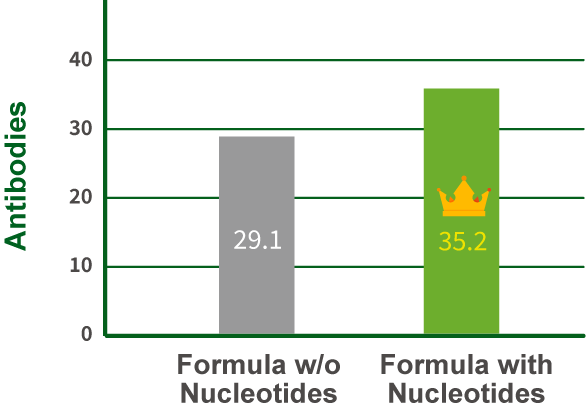
Studies show that milk formulas fortified with nucleotides support the development of children’s immune systems7.



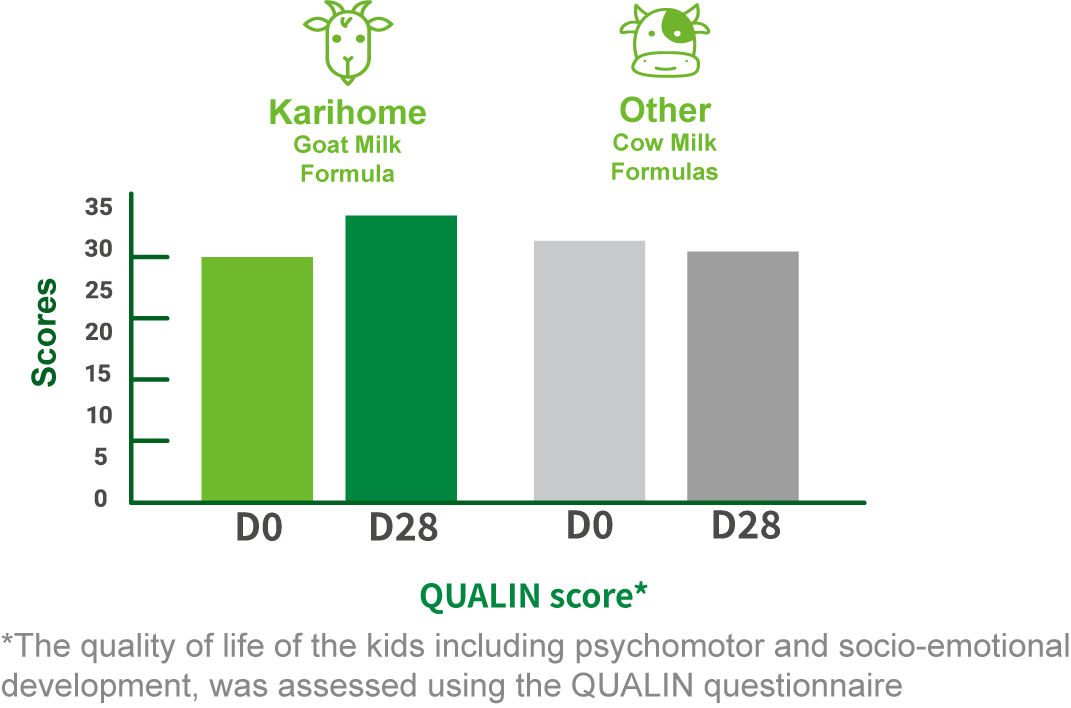
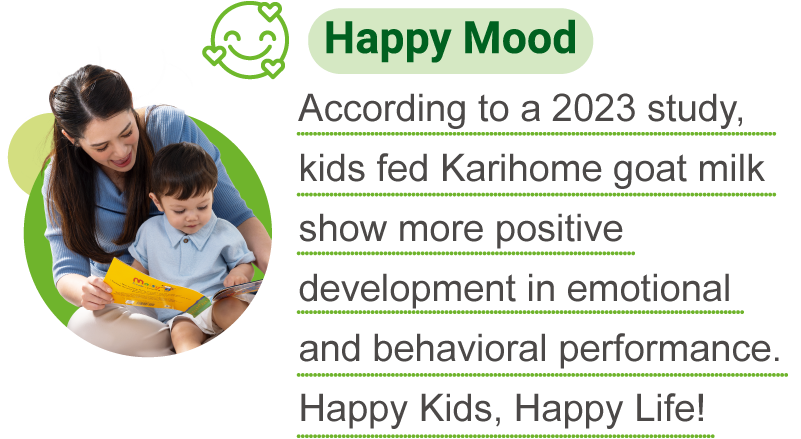
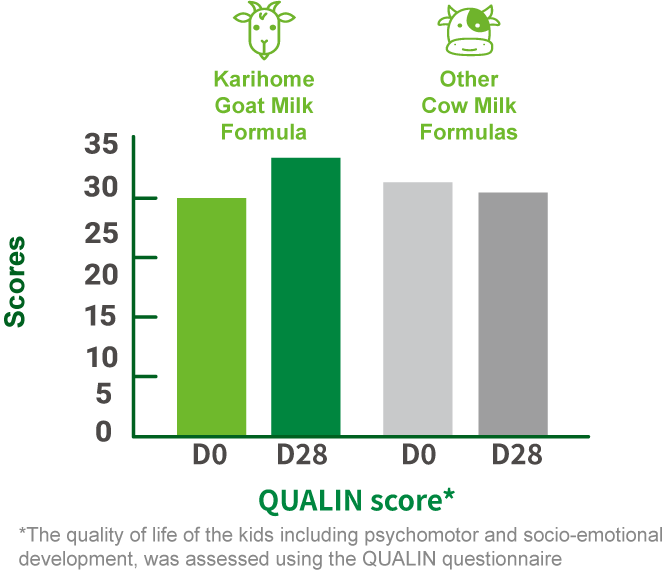
According to a 2023 study, kids fed Karihome goat milk show more positive development in emotional and behavioral performance. Happy Kids, Happy Life!



NutriKept Technology
Retains Bioactive Nutrition

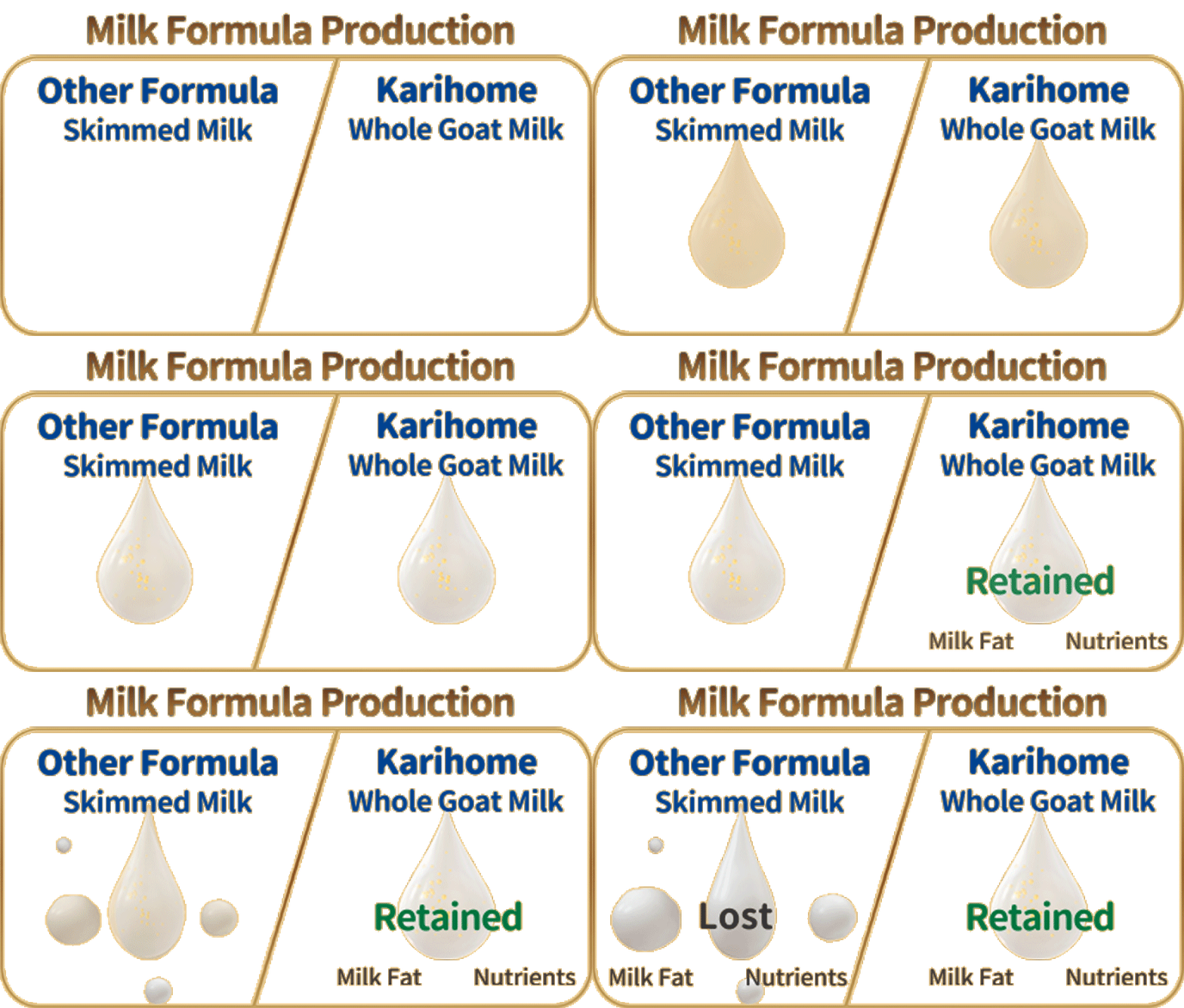
Whole Goat Milk Used
Karihome uses 100% pure whole goat milk, which is rich in nutrients such as MCT, Sn-2PA, and nucleotides.
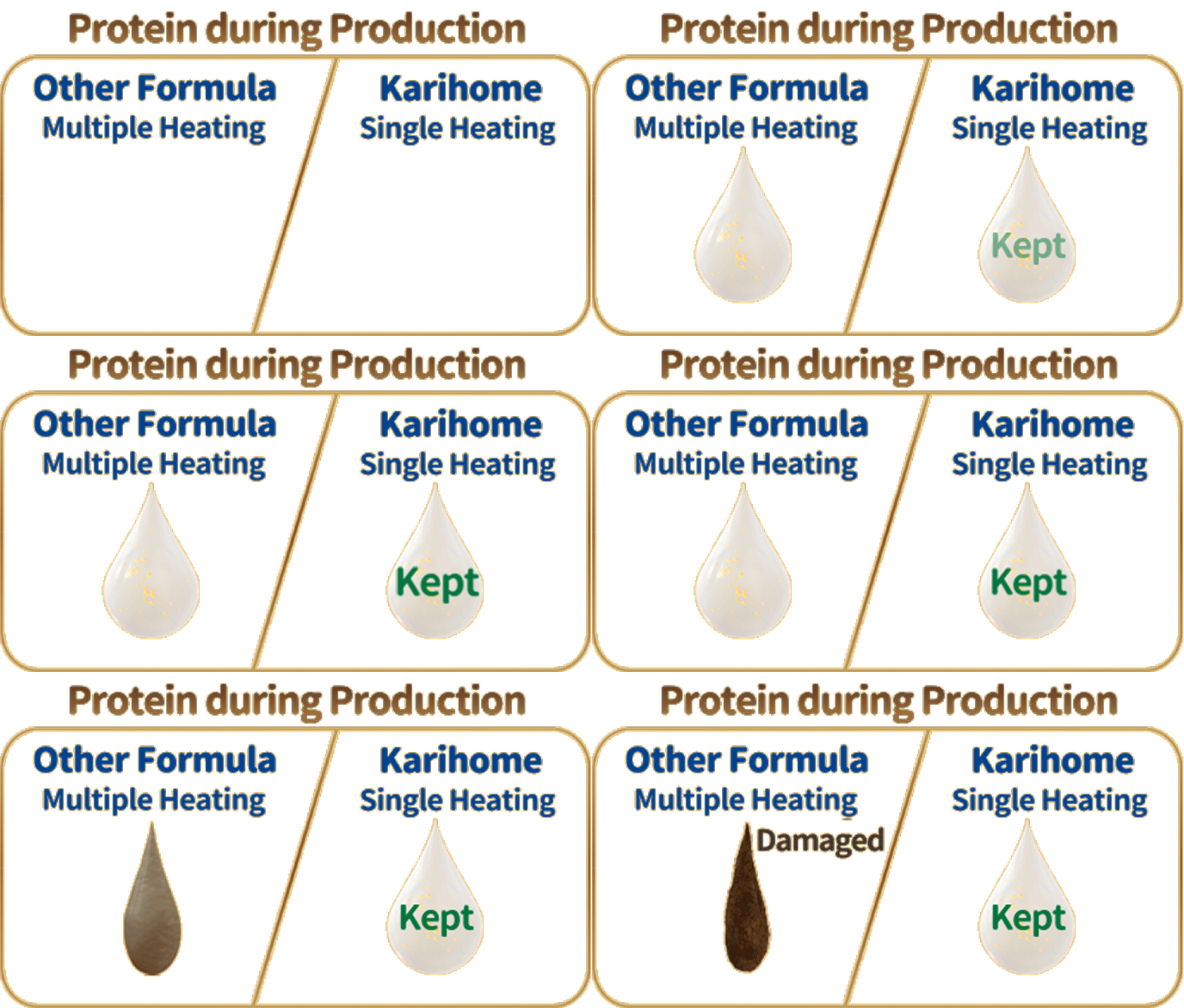
Single High Temperature Heating
Karihome milk formula is produced using a mild heating process that retains the natural nutrients of goat milk.
Less Processed-Preserving Natural Goodness
Karihome formula does not need to go through the degreasing process, as it uses only 100% pure whole milk. This method significantly reduces heating and effectively preserves the natural nutrients of goat milk.
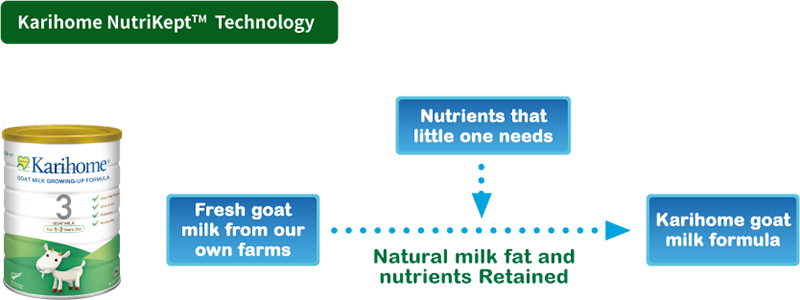
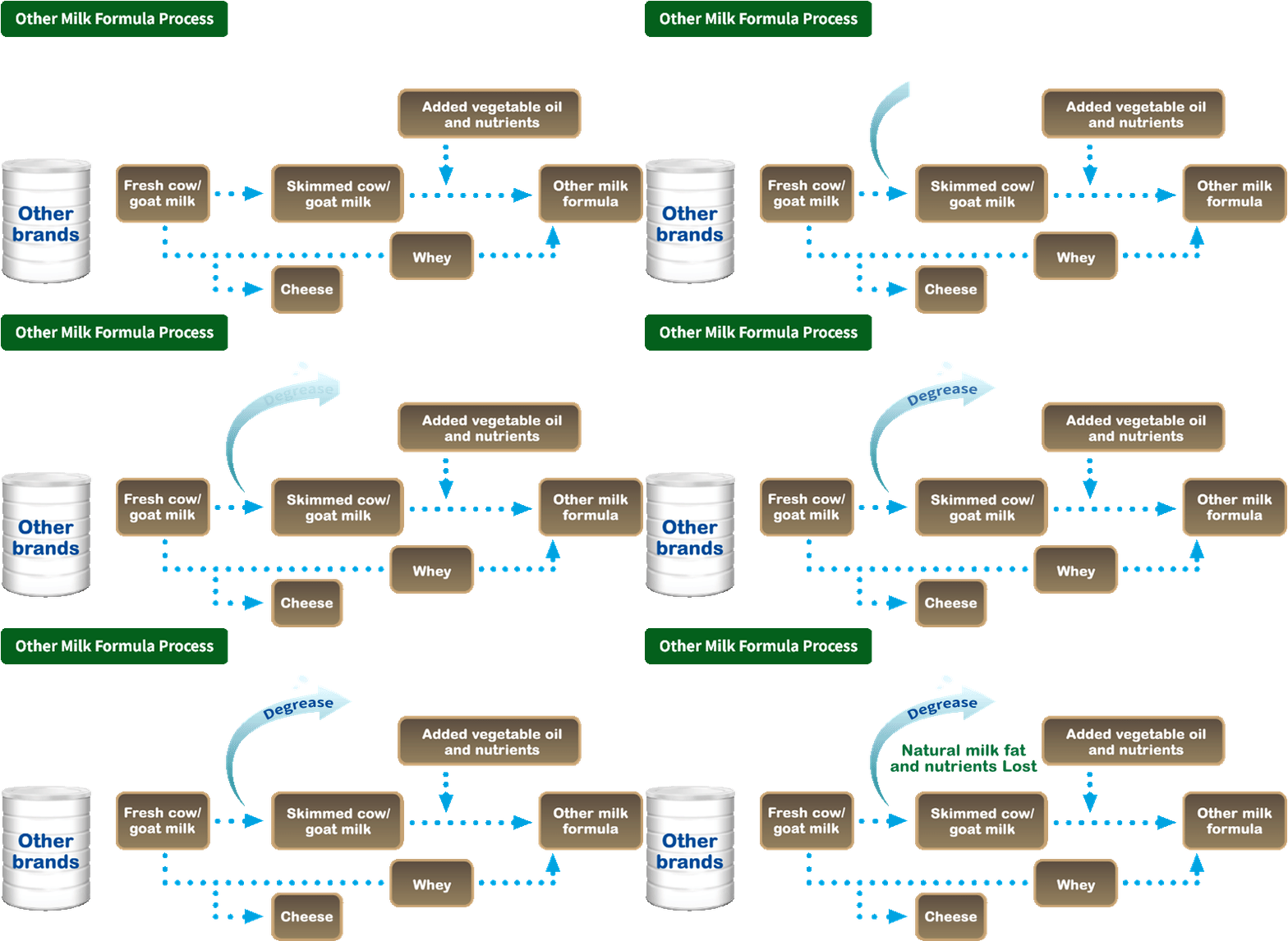

While retaining the natural goodness of goat milk, Karihome is a top-quality formula that provides wholesome nutrition for your little ones.
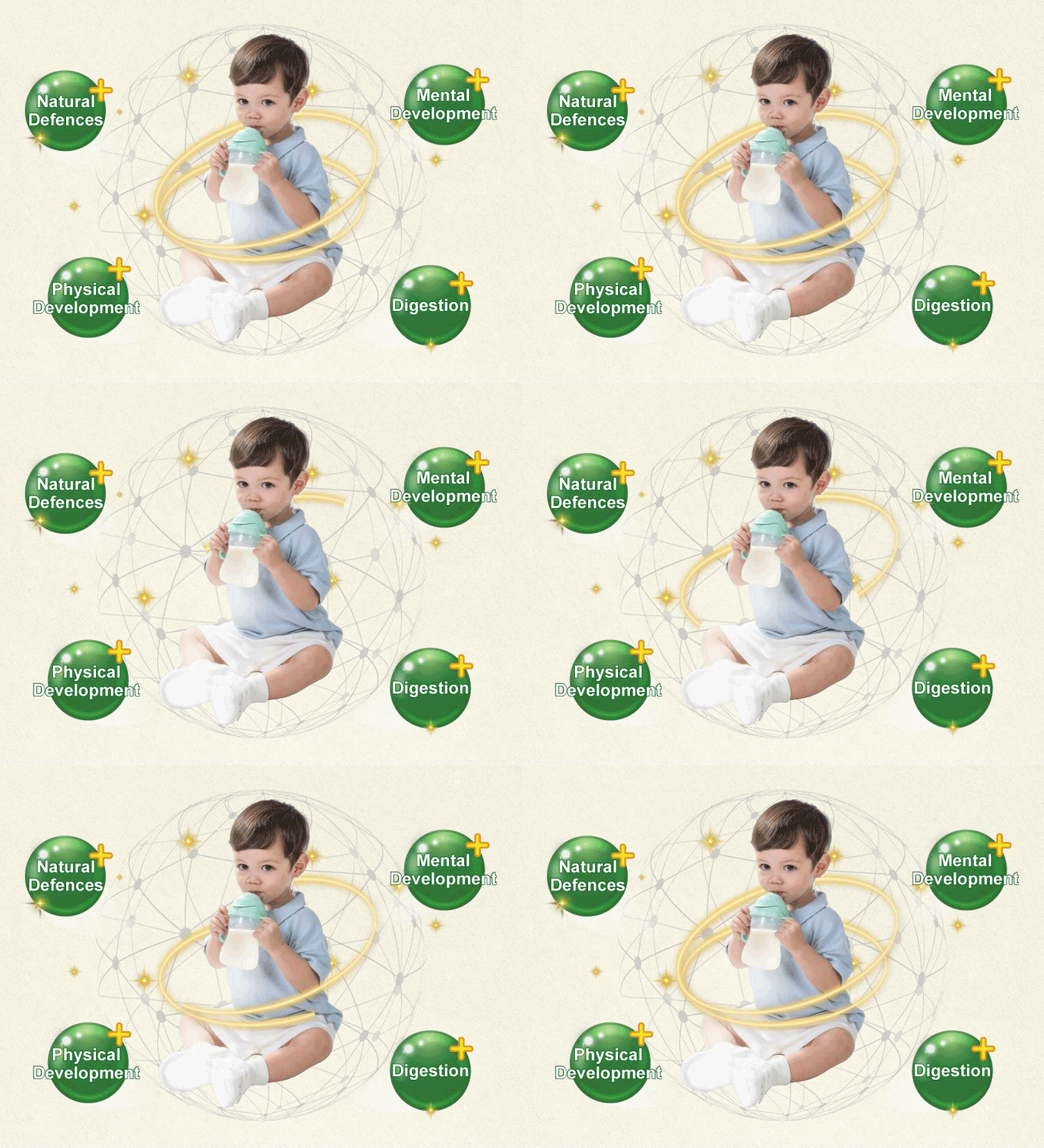



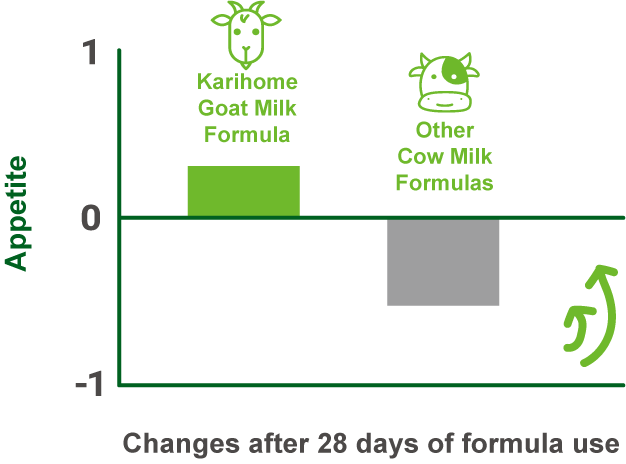
A2 β-casein, sn-2PA and MCT are gentle and easy to digest for little tummies.

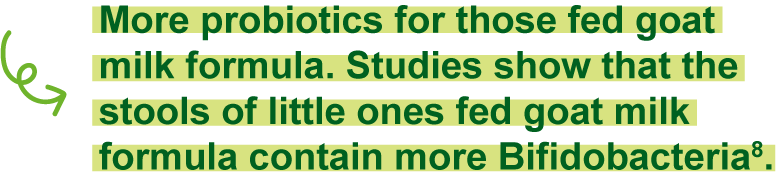
Kids fed goat milk formula tend to have healthier guts, helping them build stronger defenses

Kids fed goat milk tend to show better emotional and behavioral performance
Karihome Makes Parenting Easier





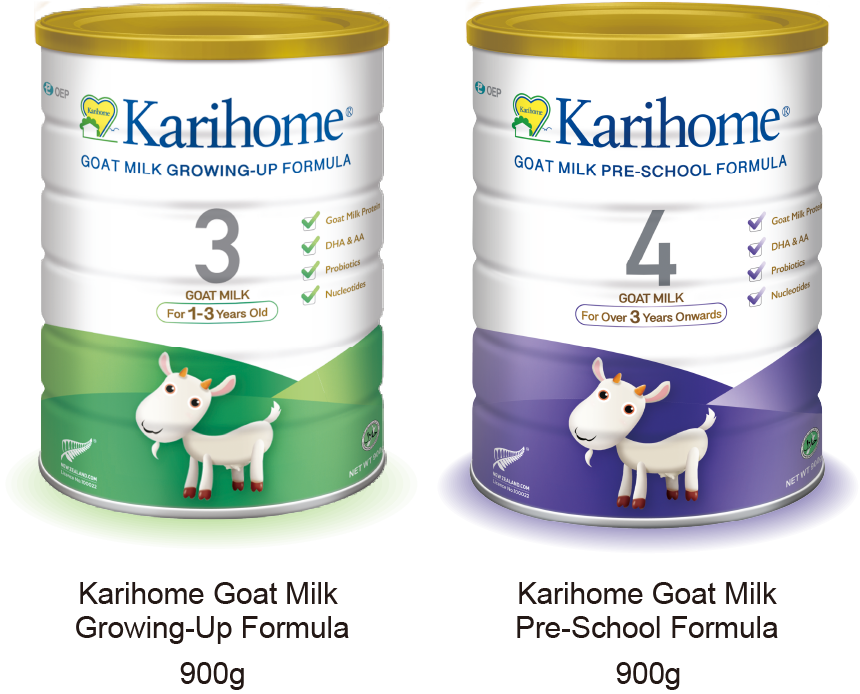
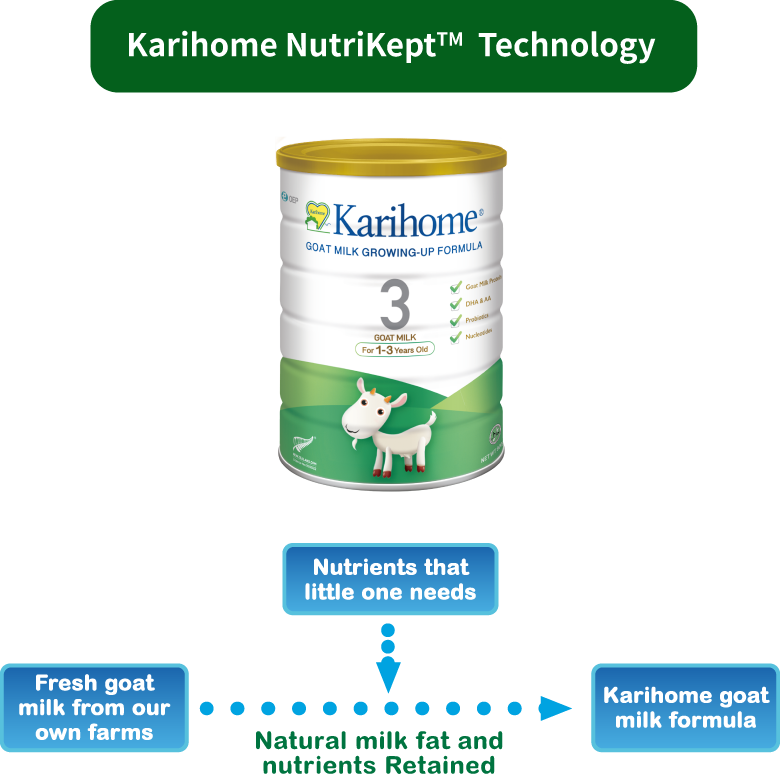
NutriKept Technology Retains Bioactive Nutrition
Whole Goat Milk Used
Karihome uses 100% pure whole goat milk, which is rich in nutrients such as MCT, sn-2PA, and nucleotides.
Single High Temperature Heating
Karihome milk formula is produced using a mild heating process that retains the natural nutrients of goat milk.
Less Processed-Preserving Natural Goodness
Karihome formula does not need to go through the degreasing process, as it uses only 100% pure whole milk. This method significantly reduces heating and effectively preserves the natural nutrients of goat milk.
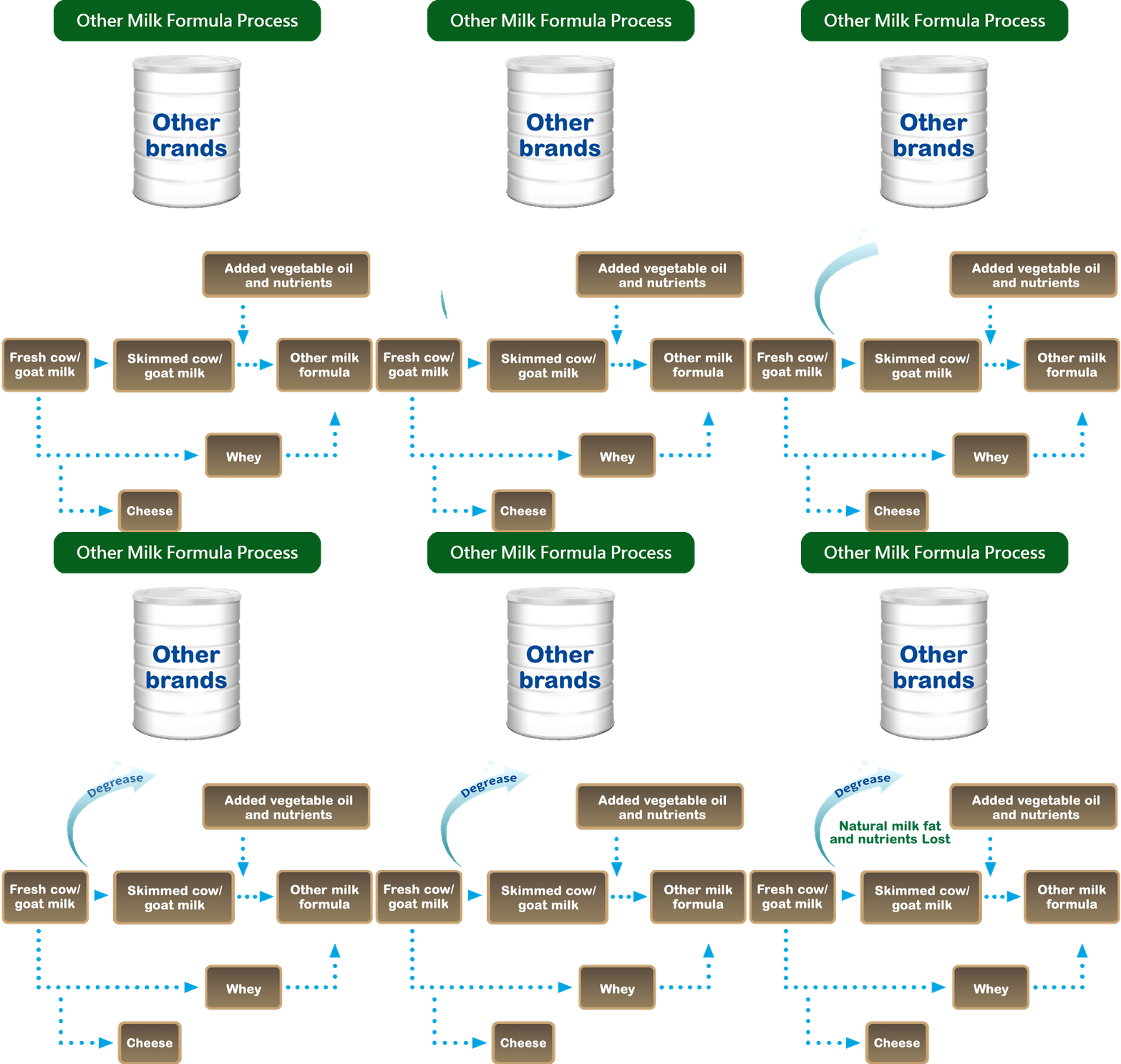
While retaining the natural goodness of goat milk, Karihome is a top-quality formula that provides wholesome nutrition for your little ones.